What It Really Means to Have Good Mountain Fitness
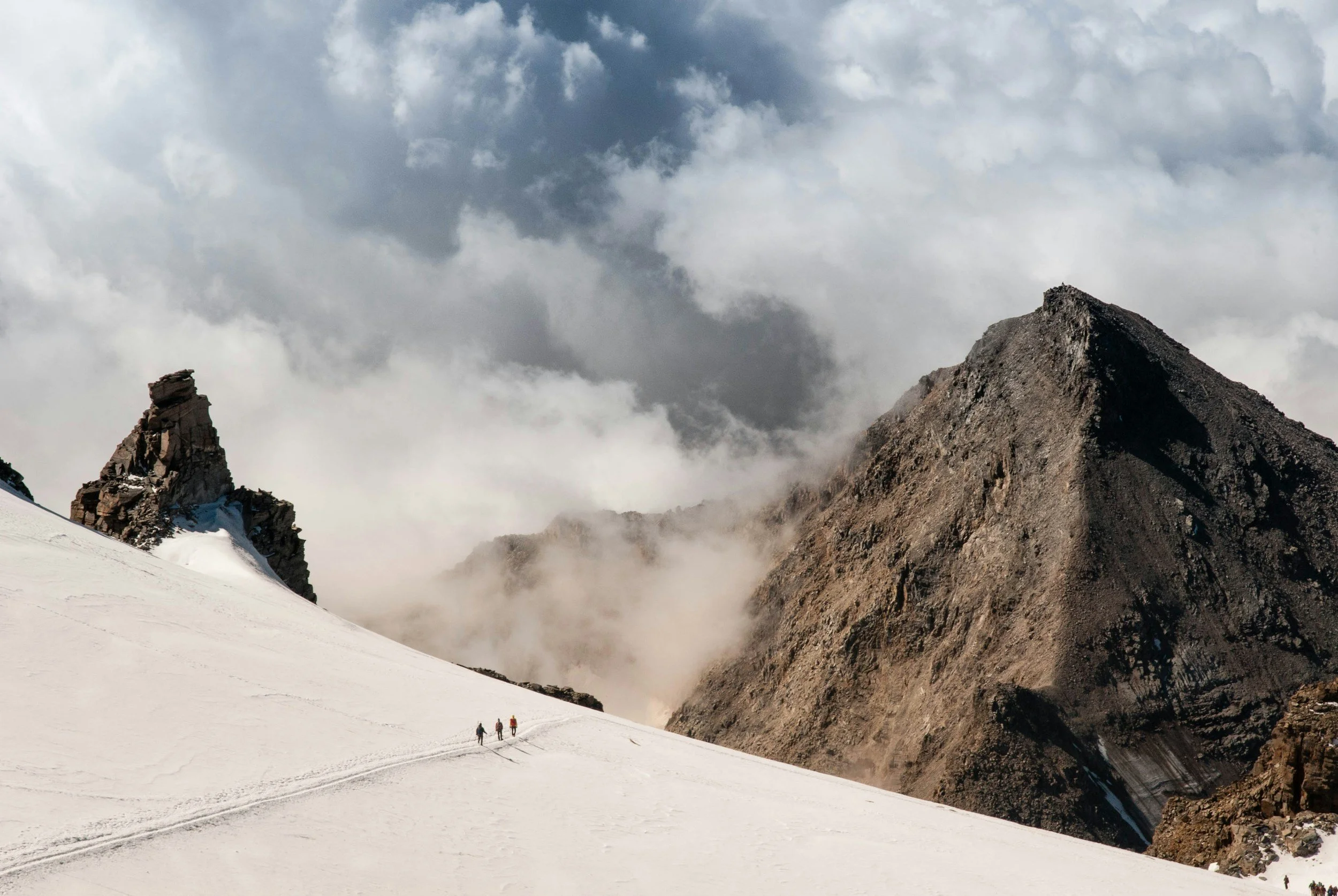
Training for the mountains isn’t the same as training for traditional sports or general fitness.
Mountain fitness refers to a specific type of fitness intentionally developed for performance — and safety — in the mountains. The exact fitness outcomes vary slightly depending on the sport in question, such as trail running versus trekking, but broadly, having good mountain fitness means you can move efficiently across challenging and varied terrain.
While general fitness can and does contribute to mountain performance, training specifically for mountain sports is essential for improving performance and avoiding injuries, whether you spend more time on the slopes or on the trails. With insights from Jess Gresho, B.S., C.S.C.S, strength and conditioning coach and owner of FlowZone Performance Coaching, let’s dive into what it really means to be “mountain fit.”
About The Expert:
Jess Gresho, B.S., C.S.C.S, is a certified strength and conditioning coach for mountain athletes. She owns FlowZone Performance Coaching, where she offers sport-specific training for skiers, bikers, trail runners, and more.
Defining Mountain Fitness
Mountain fitness is about more than strength or cardiovascular endurance alone. It demands a combination of stability, power, mobility, and aerobic capacity specifically tailored for rugged — and often high-altitude — terrain.
As Gresho explains, “Achieving good mountain fitness involves more than just building strength in a controlled environment. It requires a training approach that focuses on developing stability, mobility, power, plyometrics, and oxygen efficiency.”
Additionally, she adds, “many mountain sports involve high-impact movements, such as downhill running or skiing through rough terrain, which places extra strain on the joints and muscles. A strong mountain fitness program should include exercises that build resilience to impact, improving your body’s ability to absorb force and prevent injury.”
This multifaceted approach is key to handling the intense demands of mountain sports, from altitude challenges to navigating unpredictable terrain.
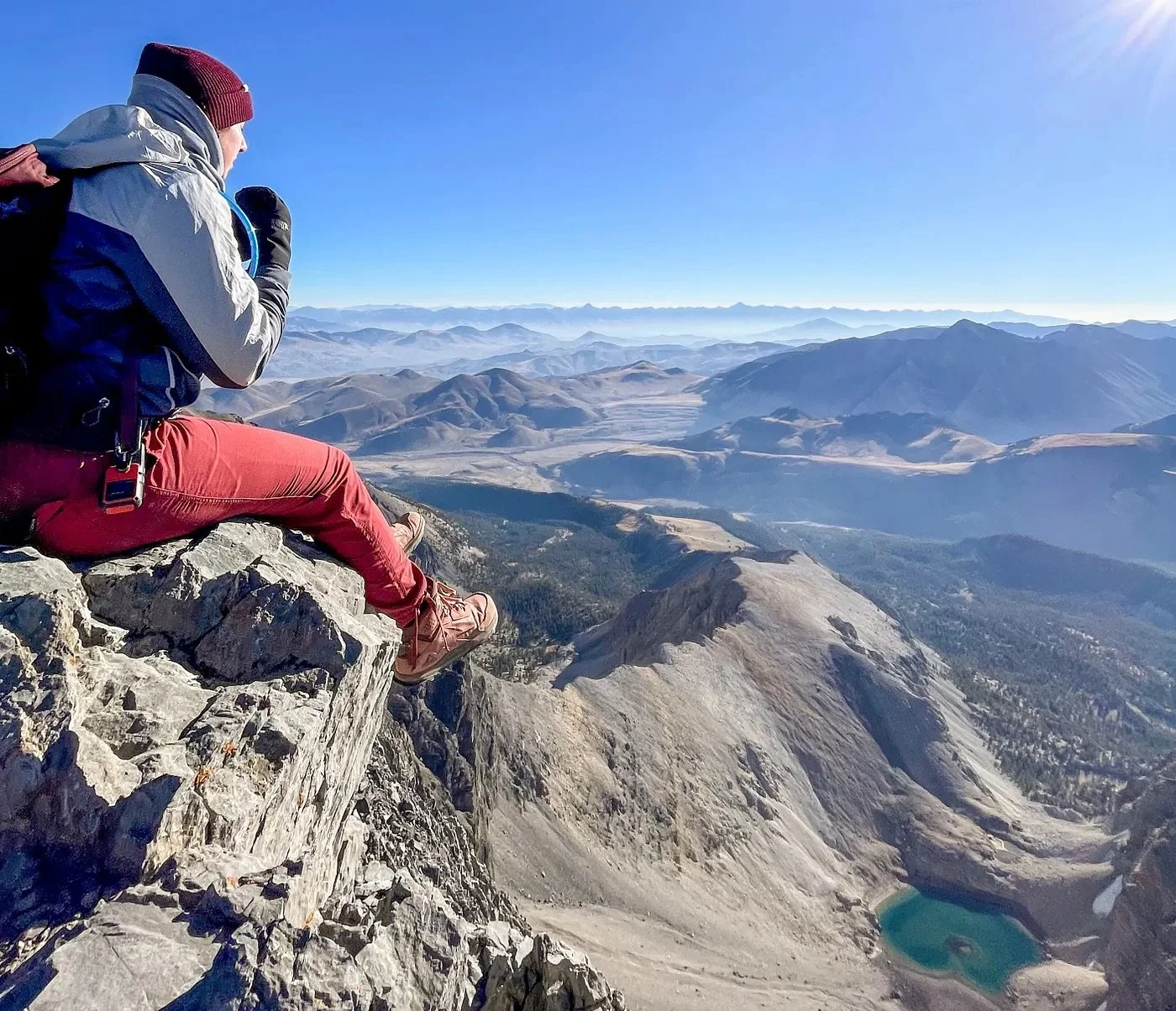
The author sitting on the second saddle to Mount Borah, Idaho (12,662 ft). Photo by Tad Martin.
Why Training for Mountains Is Different From Training for General Fitness
As Gresho explains, all fitness has its benefits, but the way the general population typically engages in fitness doesn’t necessarily drive the specific adaptations needed for mountain sports. Mountain sports demand a variety of skills across diverse terrain and often at higher altitudes, she says, which adds another layer of challenge.
Plus, “there’s a critical need to bridge the gap between being strong and being athletic,” Gresho points out. “A mountain fitness program should include protocols that enhance athletic development, ensuring that new strength can be applied functionally. This means integrating movements that challenge the entire body to work together in dynamic, multi-directional ways that mimic what’s needed in mountain sports.”
Such protocols differ significantly from what the general public might regard as “good fitness.”
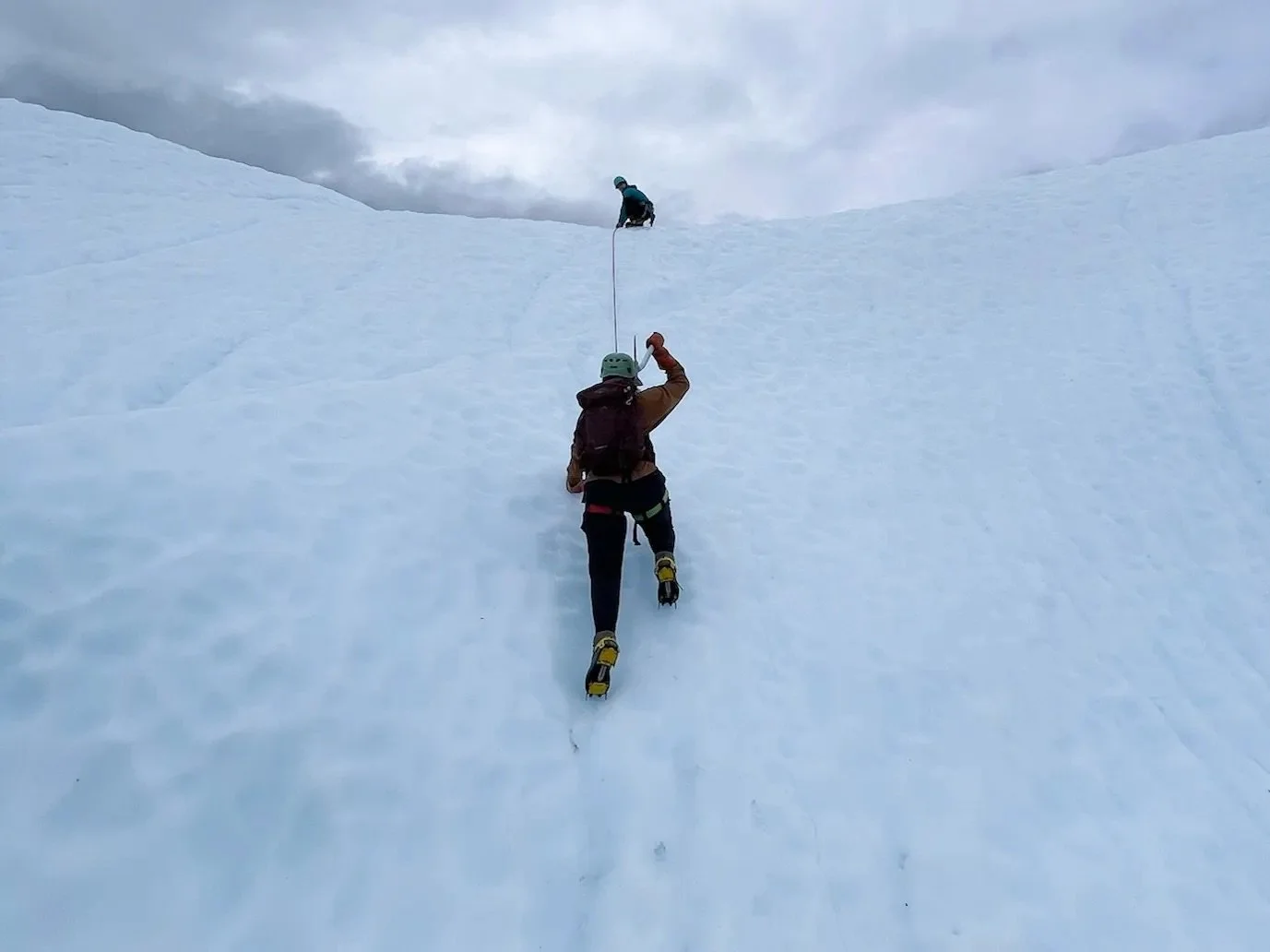
The author climbing an ice wall on the Matanuska Glacier in Alaska. Photo by Tad Martin.
Mountain-Specific Adaptations
Training effectively for mountain sports goes beyond training for strength and endurance. A few key adaptations must be woven into a training plan for mountain athletes.
Agility and Balance
Most general fitness strength training programs neglect agility and balance, instead focusing strictly on strength and muscle development. Because mountain environments demand agility and coordination across multiple planes of movement, ignoring these two components as a mountain athlete could set you up for injury. Being able to quickly stop or change direction is paramount to being able to quickly react to changing conditions, such as rockfall or unexpected shifts in snow quality, says Gresho.
Impact Resilience
Mountain sports often involve repetitive, high-impact movements. Jess emphasizes that athletes need to strengthen their joints and muscles to handle the impact of movements like downhill running or skiing. “It is important to take this into consideration for a mountain-sport-specific training program and include exercises that target joint stability and strength along with impact absorption to help with overall injury prevention,” she says.
Power and Explosiveness
Once a foundation of strength is built, layering power and explosiveness on top is key to maximizing performance. “Being able to generate some power is the sauce on top that will help you set for that new trick on your skis or pedal over a challenging obstacle on your mountain bike,” Gresho says.
Mobility
Mobility is important for everyone, athlete or not, but it plays a critical role in mountain fitness: moving efficiently to prevent injury. Defined as the ability to move a joint through its full range of motion with control, mobility requires a mix of flexibility (the ability to lengthen muscles), strength, and joint stability.
“It is easy to notice the ways that good mobility can enhance performance in the mountains by allowing you to easily get into positions that require strength at the end range of motion, such as lunging over a rock or landing backseat on your skis,” Gresho says.
An even more intriguing reason to consistently add mobility work into your training routine is injury prevention, however.
“Poor mobility often leads to compensatory movements, which can shift the workload to the wrong areas thus increasing risk of strain and overuse injuries,” Gresho explains. “Achieving and maintaining good mobility in the hips, ankles, and shoulders can reduce a lot of compensation risk and aid in injury prevention.”
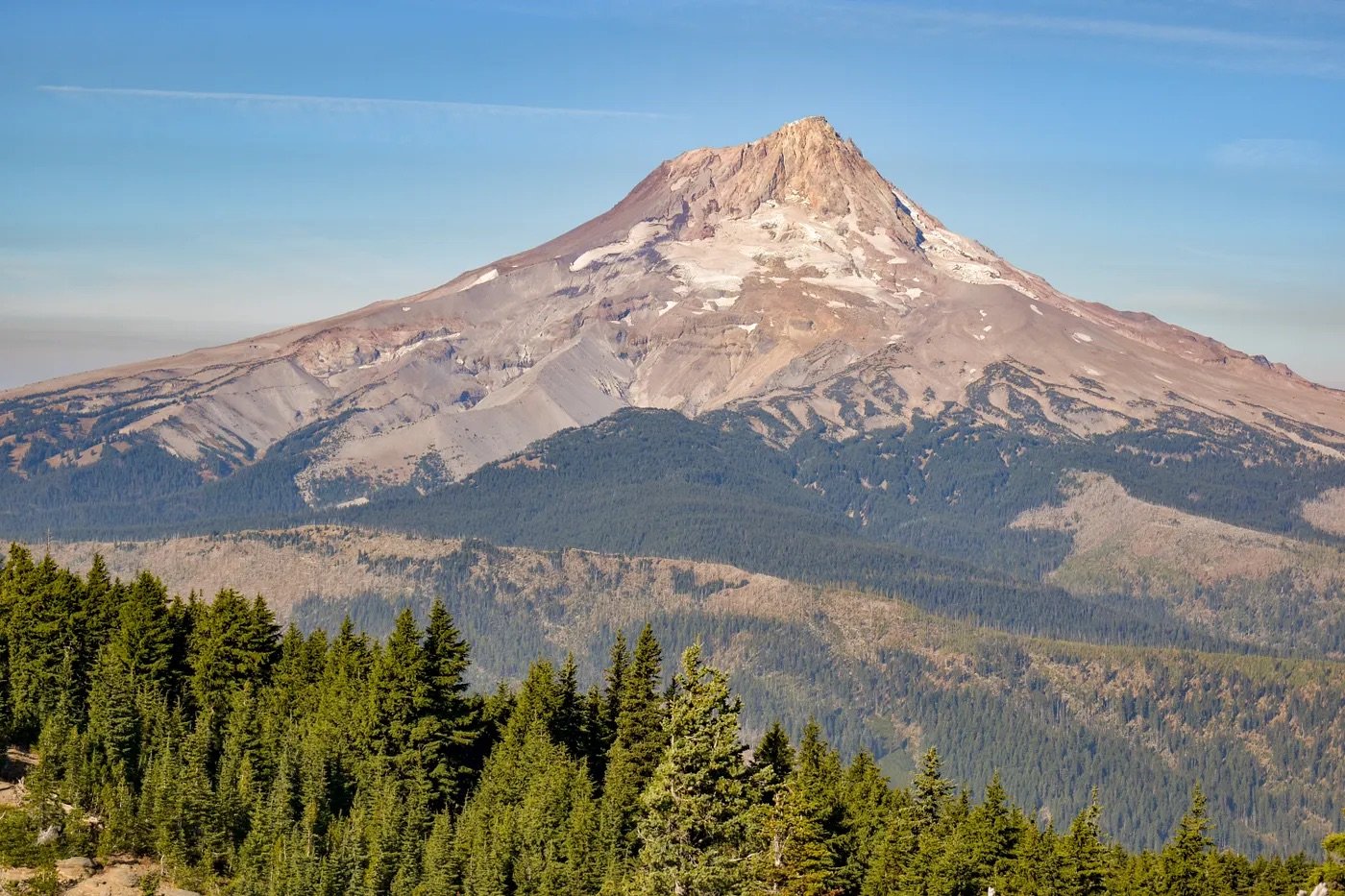
Mount Hood, the highest peak in Oregon, in the summer. Photo by Amanda Capritto.
Don’t Forget About Altitude
Training for high-altitude performance is another unique aspect of mountain fitness. As altitude increases, air pressure drops, meaning there is less oxygen available for both your muscles and your cardiovascular system to use during exercise. (1)
According to Gresho, this decreased oxygen availability and intake leads to:
Decreased endurance: Less oxygen availability means you may feel tired and fatigued more quickly than you would at lower altitudes.
Decreased VO2 max: VO2 max, the maximum amount of oxygen your body is able to utilize during intense exercise, decreases with altitude.
Increased heart rate: Your body increases heart rate and breathing rate to try to compensate for the lack of oxygen which can cause quicker fatigue and delayed recovery.
Potentialaltitude sickness: In extreme cases, athletes can experience altitude sickness with symptoms such as dizziness, nausea, and shortness of breath — all of which usually end the adventure.
“While we cannot change these facts about altitude, we can train our bodies to be better able to tolerate and even perform in these circumstances,” Gresho says. “One of the best ways to do this is to build a strong aerobic base. With consistent endurance training at lower elevations, your cardiovascular system will become more efficient at using oxygen.” (2)
In addition to aerobic base training, high-intensity cardiovascular training is important for optimal performance. Short, but very intense, bouts of exercise followed by rest intervals will improve your VO2 max over time. (3)
“A long term training program focused on increasing your body’s oxygen efficiency is the best approach to being able to train at altitude,” Gresho says, “but there are other things you can do in combination with this to maximize your training such as strengthening your breathing muscles, acclimatizing before an effort, and focusing on hydration and nutrition.”
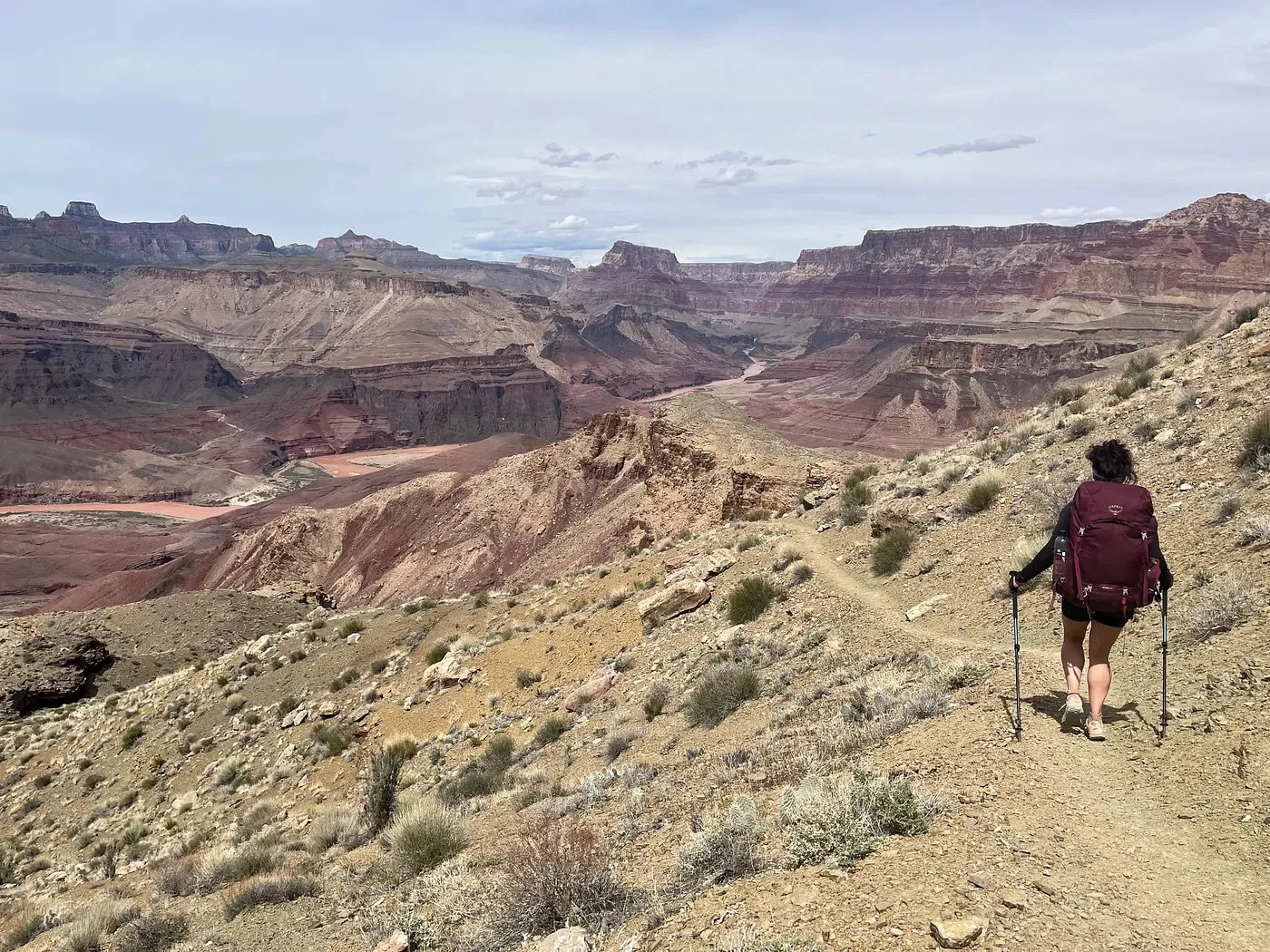
Training for mountain fitness means establishing a base of strength and endurance, and layering elements like power, explosiveness, agility, and sport-specific skills. Photo by Amanda Capritto.
Go-To Exercises for Mountain Fitness Training
For anyone starting out in mountain fitness, Jess recommends a balanced approach that combines strength, power, and aerobic endurance. Some of her go-to exercises include:
Front squats: Builds core stability and leg strength, foundational for any mountain sport.
Deficit reverse lunges: Emphasizes hip stability and strength for ascending and descending movements.
Banded dead bugs: Targets core stability, helping athletes maintain balance in rough terrain.
Box jumps and step-ups: Great for building explosive power and strength in the lower body.
Copenhagen plank crunch: This exercise strengthens the adductors and improves stability for lateral movements.
According to Jess, a solid foundation for mountain fitness involves two to three strength sessions per week, incorporating plyometrics, compound lifts, and accessory movements.
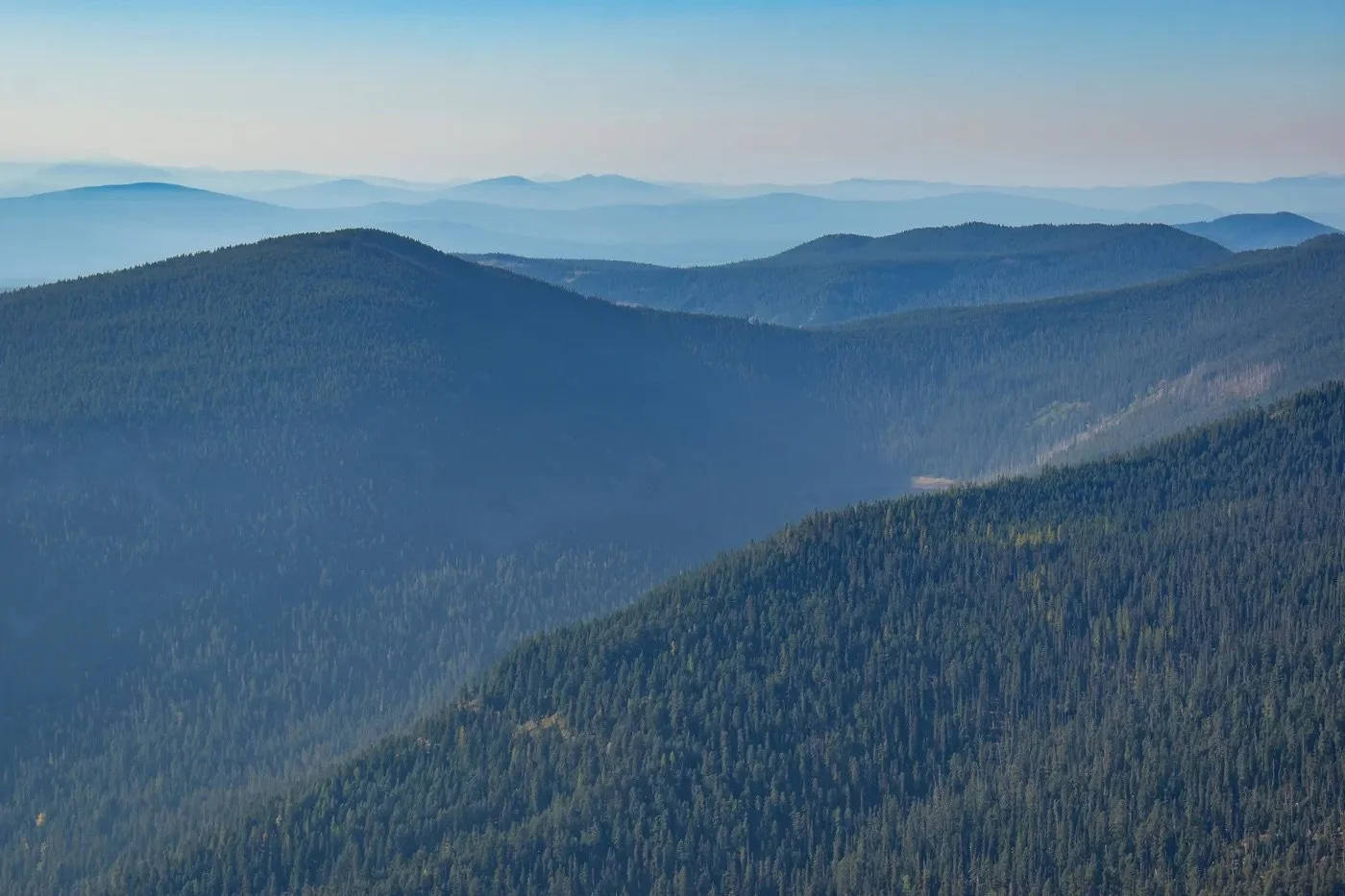
Planning a year of training for mountain athletes requires careful periodization. Photo by Amanda Capritto
Planning a Year of Training for Mountain Athletes
Periodization is the planned manipulation of training variables (exercise selection, load, sets, and repetitions) in order to maximize training adaptations and to prevent overtraining. For mountain sports athletes, who often participate in multiple different sports throughout the year, periodization is key.
Most mountain sports enthusiasts have seasonal interests, meaning one or two main winter sports and one or two main summer sports, Gresho points out. Periodizing a year of training for a multi-sport mountain athlete “requires thoughtful planning to ensure peak performance in each activity, while balancing strength, endurance, and recovery,” she says.
The key, according to Gresho, is to align training phases with the athlete’s competitive or peak seasons for each sport, while also emphasizing a well-rounded fitness base that supports the demands of all three.
As an example, here’s what a year of training could look like for a mountain athlete who participates in trail running, backcountry skiing, and mountain biking, according to Gresho.
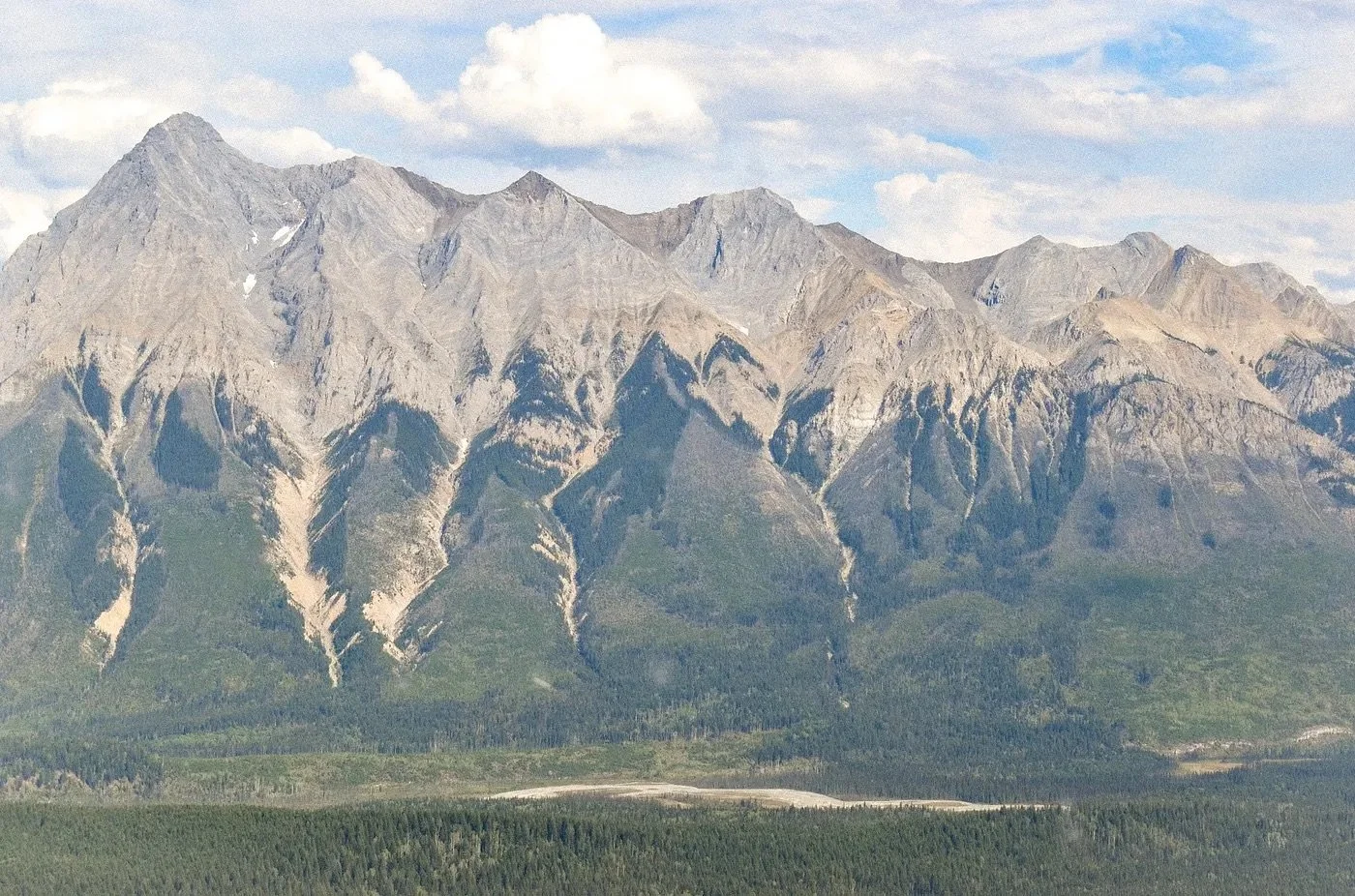
A view of the Canadian Rockies in Alberta, Canada. Photo by Amanda Capritto.
Pre-season (winter)
January–February/March
This is the peak winter season for resort skiing, but if backcountry skiing is your main focus, then this would be considered your pre-season where you are focusing on building strength and endurance. The precise time frame depends on when you want to get out into the backcountry, but generally the pre-season is one to three months of growth focus.
In-season (spring)
March-April/May
This is when you will be out bagging those big backcountry ski missions. It is still important to train so you can maintain all your new strength, but overall volume, intensity, and frequency of training can decrease so you have more energy for your missions.
Pre-season (early summer)
May/June
For summer sports like mountain biking and trail running, it is best to spend those muddy and colder months of the late spring and early summer in another pre-season phase focused on gaining strength and endurance before the trails really start to get good. Increase volume, intensity, and frequency in the gym.
In-season (late summer)
July–September
The prime summer months for trail running and mountain biking should be spent with an in-season focus ensuring once again that you are able to maintain the strength you gained in the pre-season while also preserving your energy for those outdoor efforts.
Off season (autumn/early winter)
October/November–December
This is where you get to focus on recovery and base building. This looks like focusing on your foundational fitness in areas such as aerobic fitness, strength, mobility and mobility. It’s also important for preventing burnout, especially in those who are competing in any of their sports.
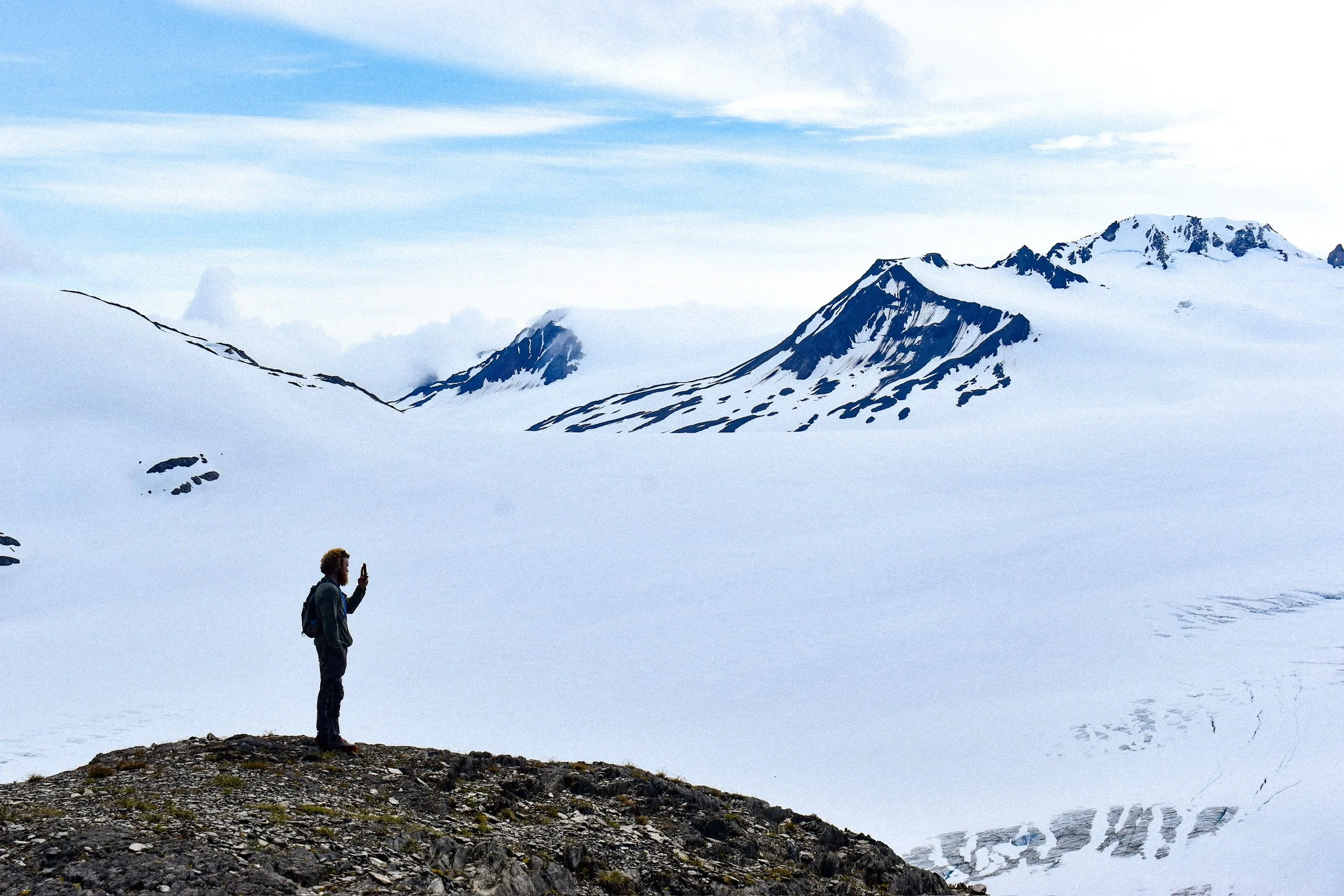
Hiking the Harding Icefield Trail in Alaska. Photo by Amanda Capritto.
Takeaway
Mountain fitness training goes beyond general strength or endurance, involving functional adaptations to handle altitude, repetitive impact, and rugged conditions.
By following a targeted training program that prioritizes stability, agility, and aerobic capacity, athletes can develop a well-rounded fitness foundation tailored for mountain sports. With the right training, athletes can gain the resilience and adaptability they need to handle whatever the mountains throw their way.
-
Institute of Medicine (US) Committee on Military Nutrition Research; Marriott BM, Carlson SJ, editors. Nutritional Needs In Cold And In High-Altitude Environments: Applications for Military Personnel in Field Operations. Washington (DC): National Academies Press (US); 1996. 17, Physical Performance at High Altitudes. Available from: https://www.ncbi.nlm.nih.gov/books/NBK232877/
Burtscher M, Niedermeier M, Burtscher J, Pesta D, Suchy J, Strasser B. Preparation for Endurance Competitions at Altitude: Physiological, Psychological, Dietary and Coaching Aspects. A Narrative Review. Front Physiol. 2018;9:1504. Published 2018 Oct 29. doi:10.3389/fphys.2018.01504
Ma X, Cao Z, Zhu Z, Chen X, Wen D, Cao Z. VO2max (VO2peak) in elite athletes under high-intensity interval training: A meta-analysis. Heliyon. 2023;9(6):e16663. Published 2023 Jun 1. doi:10.1016/j.heliyon.2023.e16663